If you've heard about the Madison Station development and wondered how it came to be, the story actually starts long before construction crews showed up. This isn't a project that appeared overnight, it's one that's been years in the making.
Looking at Madison Station through a timeline helps explain not only what is being built, but why it matters.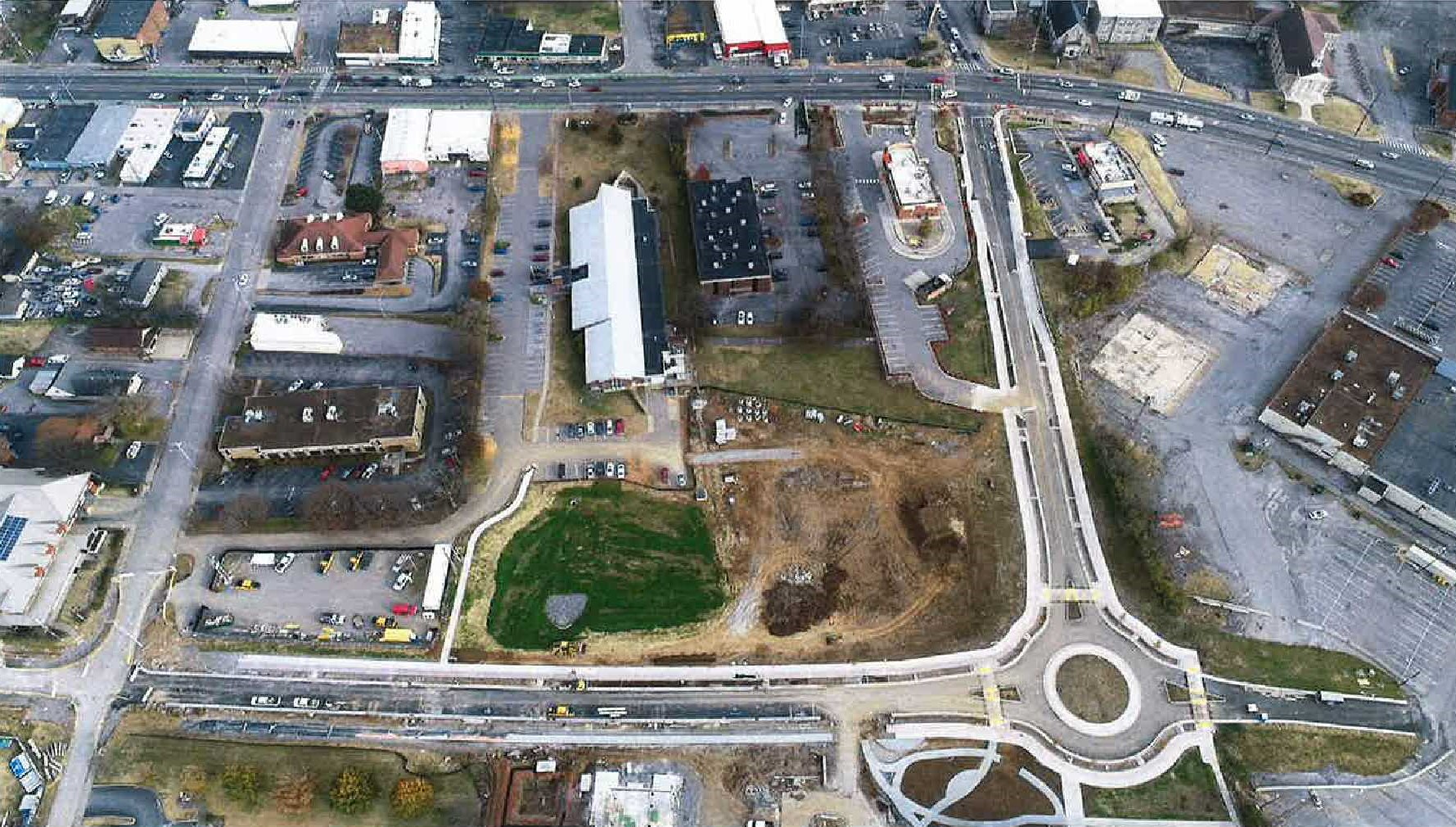
Then: The Potential Was Always There
For decades, Madison has sat just north of downtown with something many neighborhoods would love to have, proximity, history, and a strong sense of place.
Gallatin Pike has long served as a major corridor into Nashville, and Madison has always had established homes, longtime residents, and local businesses that gave the area real character. What it lacked wasn't identity. It lacked coordinated, long-term investment that brought housing, infrastructure, and daily amenities together in one connected plan.
Growth didn't skip Madison, it simply moved around it. The foundation was there, but the timing hadn't aligned yet.
Now: From Long-Term Planning to Visible Progress
That alignment began to take shape with Madison Station.
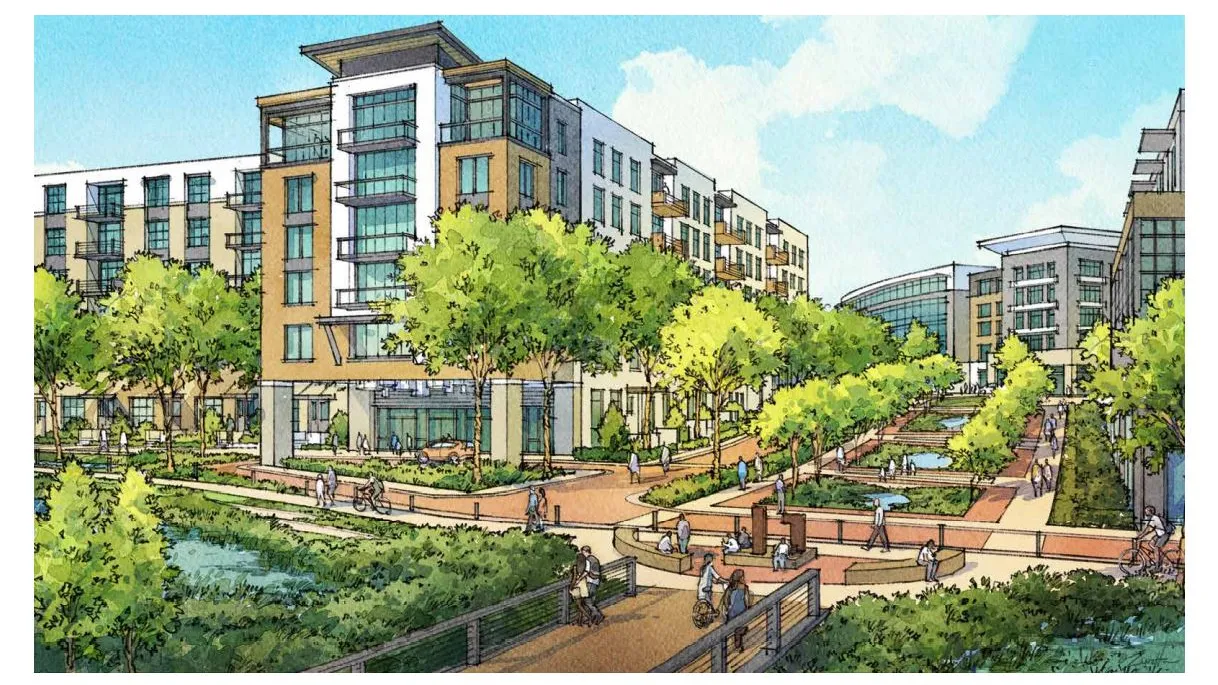
Spanning more than 30 acres, Madison Station is a $631 million mixed-use redevelopment designed to function as a true neighborhood rather than a single-use project. And importantly, it's no longer theoretical.
Infrastructure improvements are already visible, including the new roundabout along Madison Station Boulevard. Vertical construction on the first phase began in 2024, with more than 240 affordable housing units underway, serving both families and seniors.
That first phase is intentional. It signals that Madison Station isn't waiting until the end to address affordability, it's building it into the foundation of the project.
Next: A Neighborhood Designed to Evolve Over Time
As Madison Station continues to roll out over the next 5 to 10 years, the scope of the project expands beyond housing alone.
Future phases will introduce additional residential options, market-rate homes, retail and restaurant spaces, office buildings, and a planned childcare facility. The layout emphasizes walkability, shared green spaces, and everyday convenience, elements that help a neighborhood feel lived-in rather than staged.
Another defining feature is its transit-oriented design. Positioned along Gallatin Pike with access to WeGo public transit routes, Madison Station is built to support alternatives to car-dependent living. Over time, this kind of planning influences how people move through and experience the area, not just how it looks on paper.
The Timeline Matters
Madison Station isn't about instant transformation, and that's exactly why it works.
Phased developments allow neighborhoods to grow without losing their footing. They create room for existing residents, new households, and local businesses to coexist and adapt together. In Madison's case, that means bringing new jobs, steady foot traffic, and long-term economic support to an area that's been ready for that momentum.
This project reflects a broader shift in how Nashville is approaching growth, more measured, more connected, and more focused on long-term impact.
Where Madison Station Leaves Us
Madison's story has never been about starting over. It's been about waiting for the right moment.
Madison Station represents that moment, not as a finish line, but as a beginning. One that unfolds gradually, thoughtfully, and with space for the community that already calls Madison home.
For anyone watching where Nashville's growth is headed next, Madison Station is worth following. Not because it arrived suddenly, but because it's being built to last.
Sources: The Tennessean, Nashville.gov, Civic Design Center