
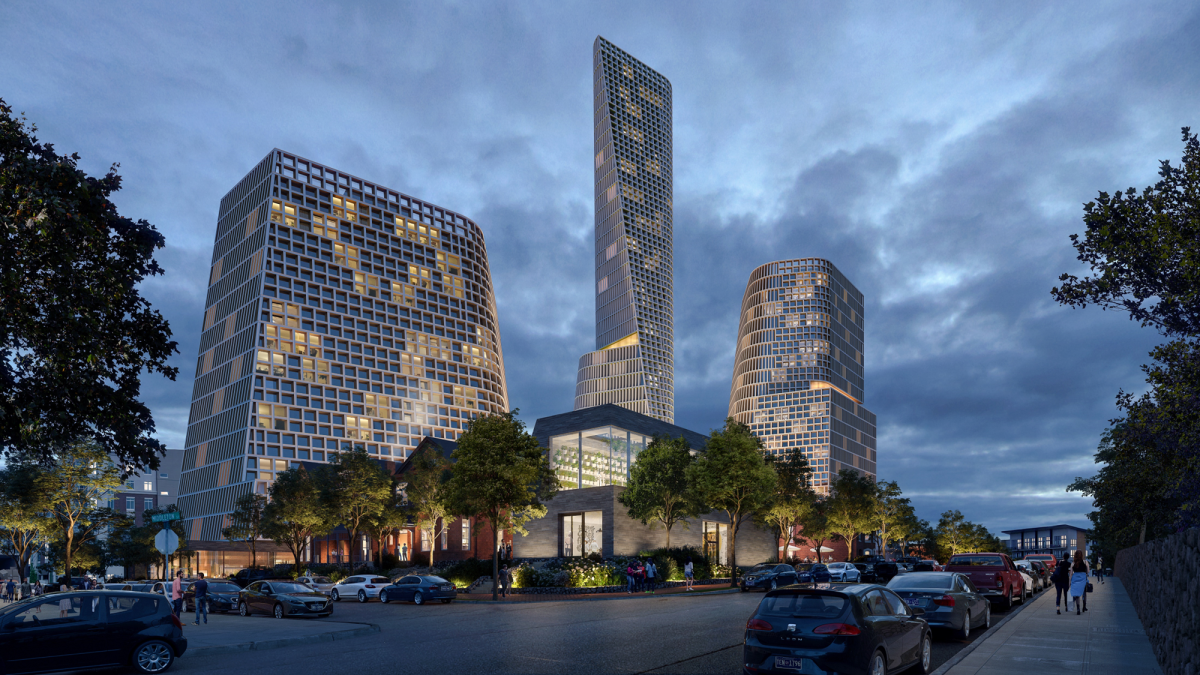
Most people will hear about the Rutledge Hill Culinary District when the restaurants open, the chef names drop, and the photos hit Instagram.
But the real story starts long before that, in planning rooms, chef meetings, neighborhood studies, and a vision for what Nashville's food culture could become.
If you've ever wondered how a culinary district happens (and why Nashville was chosen for one), here's the story behind the scenes.
It Started With One Question: "How Do We Build a Food Destination Nashville Doesn't Already Have?"
For years, Nashville has been riding a wave of national attention.
Music brought the spotlight, but restaurants have kept it here.
Developers, planners, and hospitality leaders started noticing the same pattern:
- Chefs want to open here.
- Locals want more elevated dining options.
- Visitors now travel specifically for food.
- And Nashville has outgrown the "hot chicken and honky-tonks" stereotype.
The opportunity was obvious: create a neighborhood anchored entirely in culinary experiences, a district built around food, culture, and community.
Rutledge Hill, with its history and momentum, was the perfect canvas.
Why Rutledge Hill? The Location Wasn't Random
Behind the scenes, there were several reasons this neighborhood made the shortlist:
1. Its history gives the project soul. Rutledge Hill has roots. It's a place where old Nashville still whispers beneath the new development.
Developers wanted a district that felt authentic, not manufactured.
2. It sits at the intersection of SoBro, Downtown, and the riverfront. Translation: locals and tourists naturally cross paths here.
3. The neighborhood was already evolving - the district accelerates it. Instead of forcing identity, this project builds on energy that was already there.
Placemaking experts call this the "sweet spot" when the city and the food culture are ready at the same time.
The City Wanted More Than Restaurants - They Wanted an Experience
When the first proposals were sketched, the idea wasn't just "add more dining."
It was "create a food ecosystem."
Behind closed doors, planners debated things like:
- How do we blend local favorites with nationally known chefs?
- How do we make this an all-day destination, not just a dinner spot?
- How do we design streets and patios to support community gathering?
- How do we create spaces that feel welcoming, not commercial?
The Chef Conversations Started Early...
One of the most interesting behind-the-scenes parts?
This district wasn't designed first and filled with chefs later.
The conversations happened together.
Developers and culinary teams sat down with chefs, some local, some nationally recognized, and asked:
- "If you could build your ideal restaurant space, what would it look like?"
- "What kind of concept would you bring to Nashville?"
- "What does this neighborhood need that it doesn't have yet?"
- "How do we design this district to help chefs succeed long-term?"
The Big Picture Goal: Make Nashville a Culinary Destination on the National Map
It becomes the place people think of when they think "Nashville restaurants."
Like:
- Ponce City Market in Atlanta
- Pearl District in San Antonio
- Seaport District in NYC
- Fulton Market in Chicago
This is Nashville's version... but with its own flavor.
What This Means for Locals (The Part They Don't Put in Press Releases)
Behind the scenes, planners were thinking about Nashvillians first:
- Walkability in the city
- Community spaces you actually want to hang out in
- More daytime activation for Rutledge Hill
- A neighborhood identity that feels lived-in, not tourist-only
- A district where chefs, creatives, and residents intersect
The Rutledge Hill Culinary District is more than a development, it's the next chapter in Nashville's evolution.
And years from now, when people talk about how Nashville became a true food city, they'll point back to this district as one of the turning points.
Source: City Now Next